

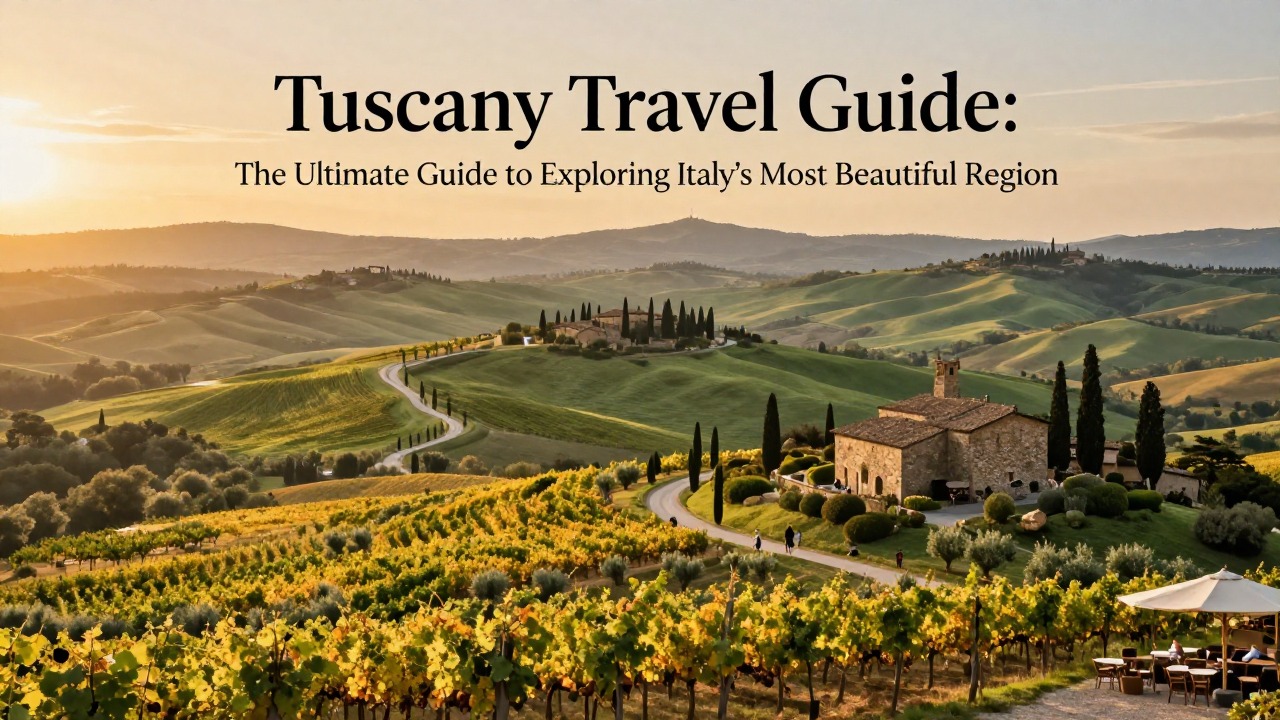
Tuscany is one of Italy’s most captivating destinations, famous for its rolling hills, medieval villages, Renaissance art, world-class wines, and unforgettable landscapes. Located in central Italy, Tuscany attracts millions of travelers every year who come to experience its rich history, cultural heritage, and breathtaking countryside. From iconic cities like Florence and Siena to picturesque vineyards and charming hill towns, Tuscany offers a perfect blend of relaxation, adventure, and discovery.
This comprehensive Tuscany Travel Guide will help you plan an unforgettable journey through one of Europe’s most beloved travel destinations. Whether you’re interested in exploring historic landmarks, tasting authentic Italian cuisine, touring famous wineries, or simply enjoying scenic landscapes, Tuscany provides countless experiences for every type of traveler.
Why Visit Tuscany?
Tuscany is often considered the heart of Italy because it perfectly combines art, history, culture, and natural beauty. The region is home to Renaissance masterpieces, ancient architecture, stunning countryside roads, and some of the world’s most celebrated wines.
Reasons to visit Tuscany include:
- Spectacular countryside landscapes
- Historic Renaissance cities
- UNESCO World Heritage Sites
- World-famous wineries
- Authentic Italian cuisine
- Charming medieval villages
- Beautiful coastal destinations
- Rich cultural heritage
Where Is Tuscany Located?
Tuscany is situated in central Italy and borders regions such as Lazio, Umbria, Emilia-Romagna, and Liguria. Its strategic location makes it easy to reach from major Italian cities including Rome, Milan, and Venice.
The regional capital, Florence, serves as the primary gateway for travelers exploring Tuscany.
Best Time to Visit Tuscany
Choosing the right season can significantly enhance your Tuscany experience.
Spring (March to May)
Spring is one of the best times to visit Tuscany. The countryside blooms with colorful flowers, temperatures remain pleasant, and tourist crowds are moderate.
Advantages:
- Comfortable weather
- Beautiful landscapes
- Fewer tourists
- Ideal for photography
Summer (June to August)
Summer brings warm temperatures and vibrant festivals.
Advantages:
- Long daylight hours
- Outdoor dining
- Wine festivals
- Beach visits
Disadvantages:
- Higher prices
- Larger crowds
- Hot temperatures
Autumn (September to November)
Autumn is considered the perfect season for wine lovers.
Advantages:
- Wine harvest season
- Mild weather
- Stunning fall colors
- Fewer crowds
Winter (December to February)
Winter offers a quieter and more affordable experience.
Advantages:
- Lower hotel rates
- Smaller crowds
- Holiday markets
- Authentic local atmosphere
Top Cities to Visit in Tuscany
Florence
8
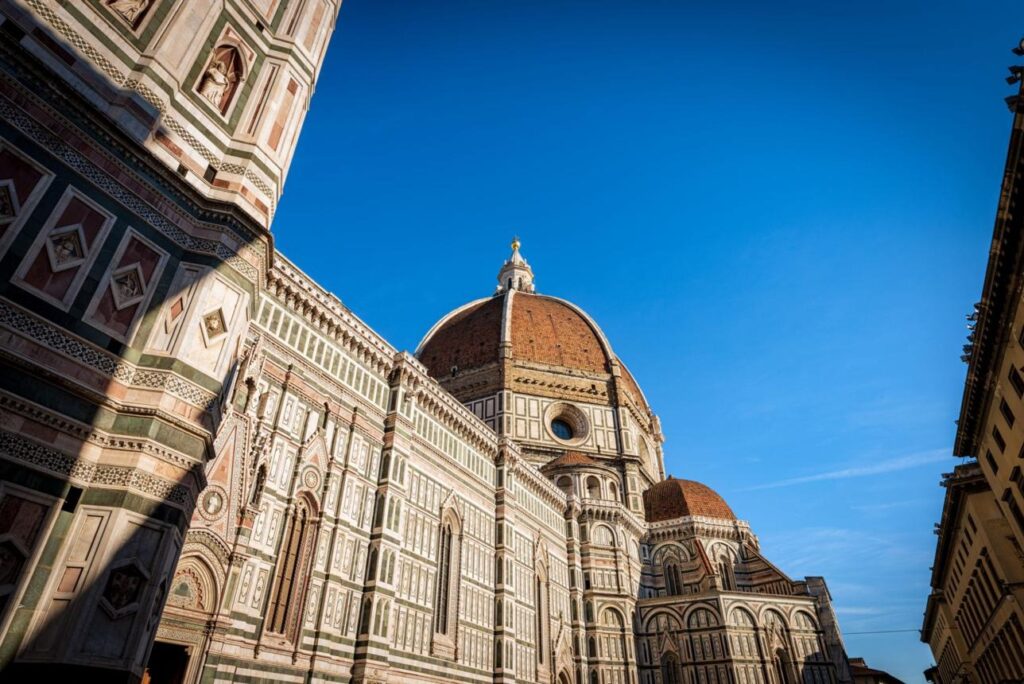
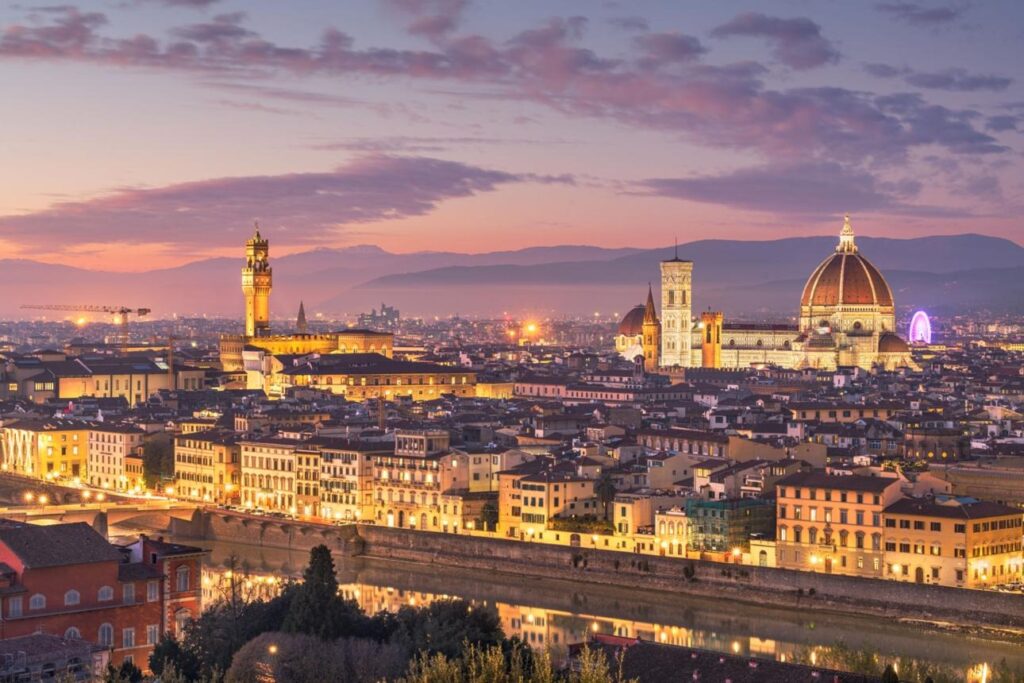
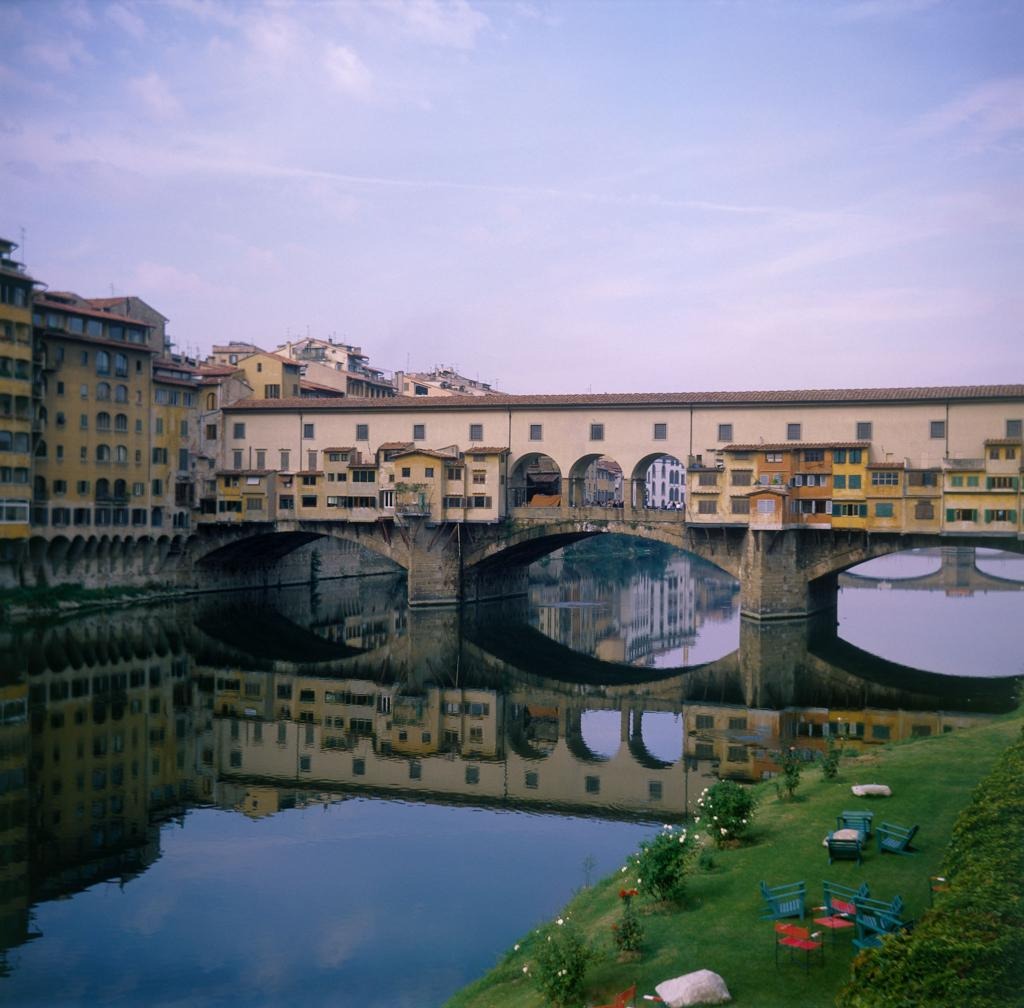
Florence is the cultural heart of Tuscany and the birthplace of the Renaissance.
Top attractions include:
- Florence Cathedral
- Ponte Vecchio
- Uffizi Gallery
- Piazza della Signoria
Siena
Siena is famous for its medieval architecture and rich history.
Must-see attractions:
- Piazza del Campo
- Siena Cathedral
- Historic Old Town
- Traditional Tuscan restaurants
Pisa
No Tuscany Travel Guide would be complete without mentioning Pisa.
Main attractions:
- Leaning Tower of Pisa
- Piazza dei Miracoli
- Cathedral Complex
- Historic city center
Lucca
Lucca is known for its preserved Renaissance walls and charming streets.
Highlights include:
- Historic City Walls
- Medieval Towers
- Bicycle-friendly streets
- Beautiful piazzas
San Gimignano
This hilltop town is often called the “Medieval Manhattan” due to its impressive towers.
Visitors enjoy:
- Medieval architecture
- Local wines
- Scenic viewpoints
- Historic atmosphere
Best Places in the Tuscan Countryside
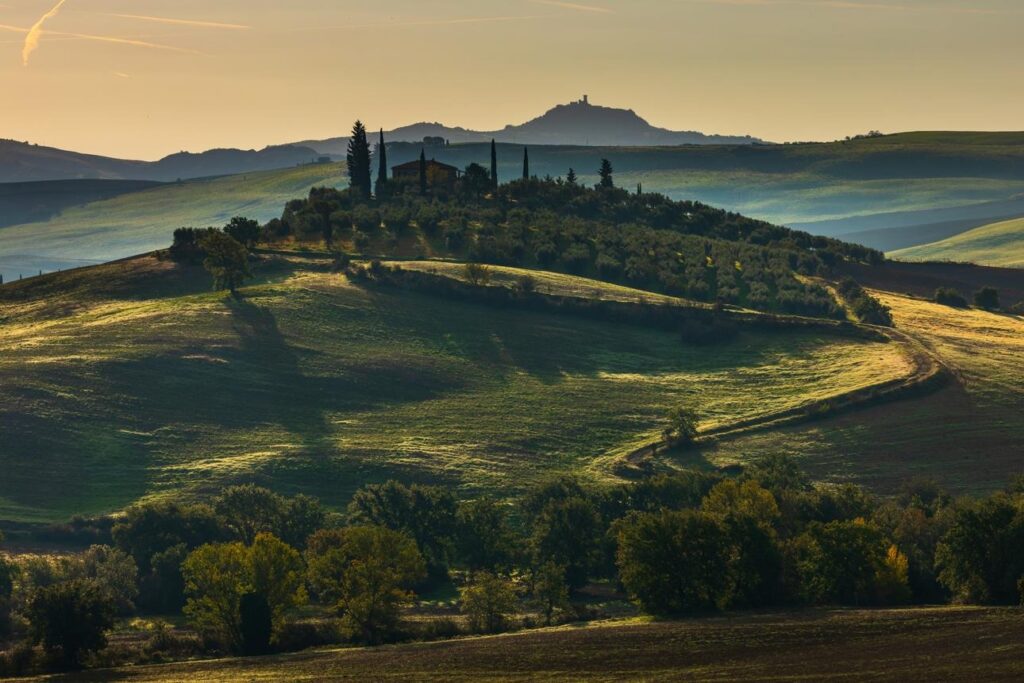
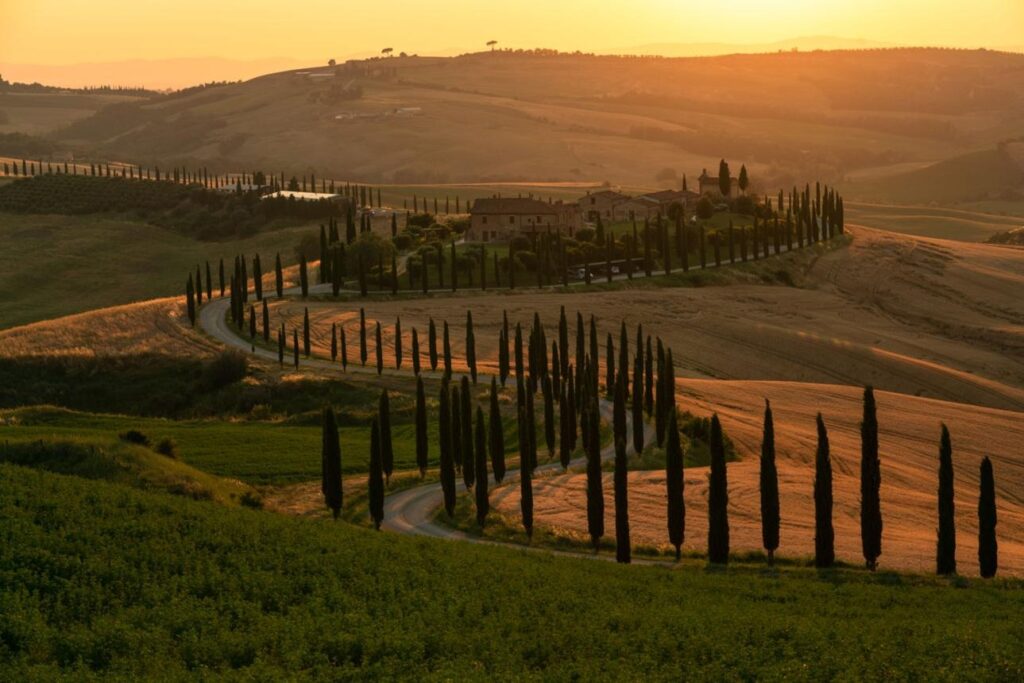
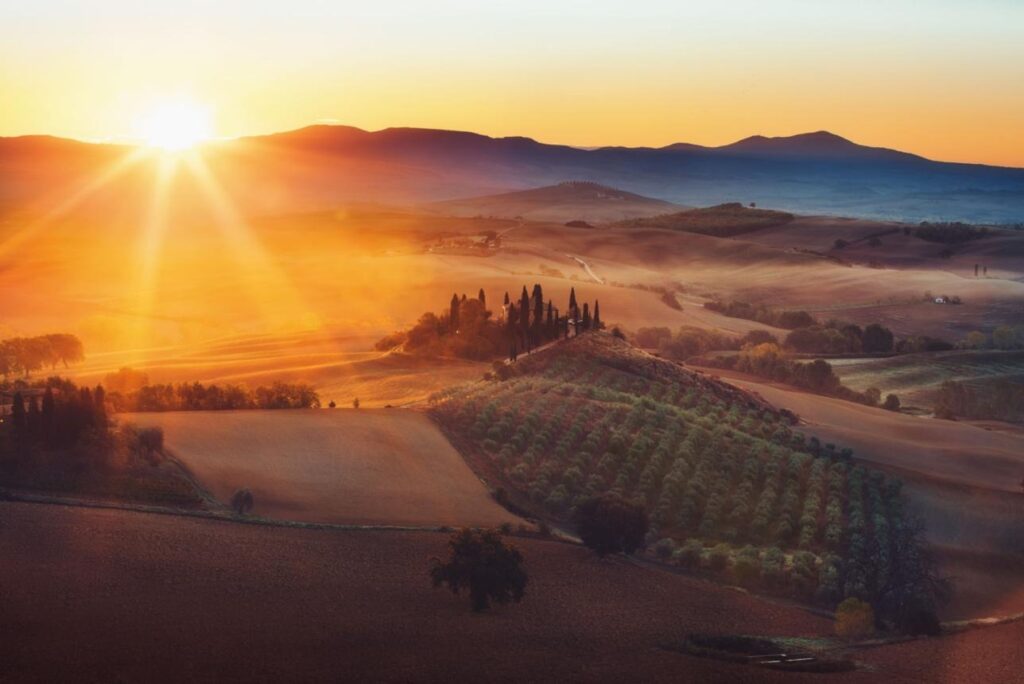
Val d’Orcia
7
Val d’Orcia is among Tuscany’s most photographed regions.
Popular activities:
- Scenic drives
- Photography tours
- Wine tasting
- Village exploration
Chianti Region
The Chianti region is synonymous with exceptional wine production.
Visitors can enjoy:
- Vineyard tours
- Wine tastings
- Countryside villas
- Traditional Tuscan meals
Montalcino
Known worldwide for producing Brunello wine, Montalcino offers spectacular views and authentic Tuscan charm.
Montepulciano
Montepulciano is a beautiful hill town famous for wine, Renaissance architecture, and stunning landscapes.
Tuscany’s Famous Food and Cuisine
Food is a major highlight of every Tuscany Travel Guide.
Popular Tuscan dishes include:
Bistecca alla Fiorentina
A massive grilled T-bone steak and one of Tuscany’s signature dishes.
Ribollita
A hearty vegetable and bread soup.
Pappa al Pomodoro
Traditional tomato and bread soup.
Crostini Toscani
Toasted bread topped with flavorful spreads.
Pecorino Cheese
A famous Tuscan sheep’s milk cheese enjoyed throughout the region.
Tuscany’s Wine Culture
Tuscany is one of the world’s premier wine-producing regions.
Popular wines include:
- Chianti
- Brunello di Montalcino
- Vino Nobile di Montepulciano
- Super Tuscan wines
Wine enthusiasts can participate in:
- Winery tours
- Vineyard walks
- Wine tastings
- Harvest festivals
Top Attractions in Tuscany
Florence Cathedral
One of the most iconic landmarks in Italy.
Leaning Tower of Pisa
A world-famous architectural wonder.
Uffizi Gallery
Home to Renaissance masterpieces.
Piazza del Campo
One of Europe’s most beautiful public squares.
Val d’Orcia
A UNESCO-listed landscape showcasing Tuscany’s natural beauty.
Transportation in Tuscany
Getting around Tuscany is relatively easy.
By Train
Italy’s railway network connects major Tuscan cities efficiently.
Best routes:
- Florence to Pisa
- Florence to Siena
- Florence to Lucca
By Car
Renting a car is highly recommended for exploring the countryside.
Advantages:
- Flexible schedules
- Access to villages
- Scenic road trips
- Vineyard visits
By Bus
Buses connect smaller towns that are not served by rail.
Where to Stay in Tuscany
Luxury Travelers
Luxury villas and boutique hotels are available throughout Tuscany.
Popular areas:
- Florence
- Chianti
- Val d’Orcia
Mid-Range Travelers
Comfortable hotels and countryside guesthouses provide excellent value.
Budget Travelers
Hostels, family-run inns, and budget accommodations are widely available.
Suggested 7-Day Tuscany Itinerary
Day 1
Explore Florence
Day 2
Visit museums and historic sites in Florence
Day 3
Day trip to Pisa and Lucca
Day 4
Discover Siena
Day 5
Tour Chianti wineries
Day 6
Visit Val d’Orcia and Montalcino
Day 7
Explore San Gimignano and Montepulciano
Travel Tips for Tuscany
- Book accommodations early during peak seasons.
- Carry comfortable walking shoes.
- Learn basic Italian phrases.
- Reserve museum tickets in advance.
- Rent a car for countryside exploration.
- Taste local wines responsibly.
- Keep cash for small villages.
Budget for a Tuscany Trip
Budget Traveler
€60–€120 per day
Mid-Range Traveler
€150–€300 per day
Luxury Traveler
€400+ per day
Costs vary depending on season, accommodation, transportation, and activities.
Sustainable Travel in Tuscany
Responsible tourism helps preserve Tuscany’s beauty.
Ways to travel sustainably:
- Support local businesses
- Stay in eco-friendly accommodations
- Use public transportation
- Respect cultural sites
- Reduce plastic waste
Conclusion
This comprehensive Tuscany Travel Guide demonstrates why Tuscany remains one of Europe’s most beloved destinations. With its magnificent Renaissance cities, rolling vineyards, medieval villages, world-renowned cuisine, and breathtaking landscapes, Tuscany offers experiences that appeal to every traveler. Whether you are exploring Florence’s artistic treasures, tasting wine in Chianti, admiring the scenery of Val d’Orcia, or discovering hidden hilltop towns, Tuscany promises unforgettable memories and authentic Italian charm.
If you are planning your next European adventure, Tuscany deserves a place at the top of your travel bucket list. Its unique combination of history, culture, gastronomy, and natural beauty creates an experience unlike anywhere else in the world.
FAQs
What is the best time to visit Tuscany according to this Tuscany Travel Guide?
Spring (March to May) and autumn (September to November) are generally considered the best times to visit Tuscany because of pleasant weather, beautiful scenery, and fewer crowds.
How many days are recommended in a Tuscany Travel Guide itinerary?
A 7 to 10-day trip is ideal for exploring Tuscany’s major cities, countryside regions, wineries, and cultural attractions without feeling rushed.
Is renting a car necessary for a Tuscany Travel Guide trip?
While trains work well for major cities, renting a car is highly recommended for visiting vineyards, rural villages, and scenic countryside destinations that are difficult to reach by public transportation.
Italy Travel Guide – The Ultimate Travel Guide to Italy
