

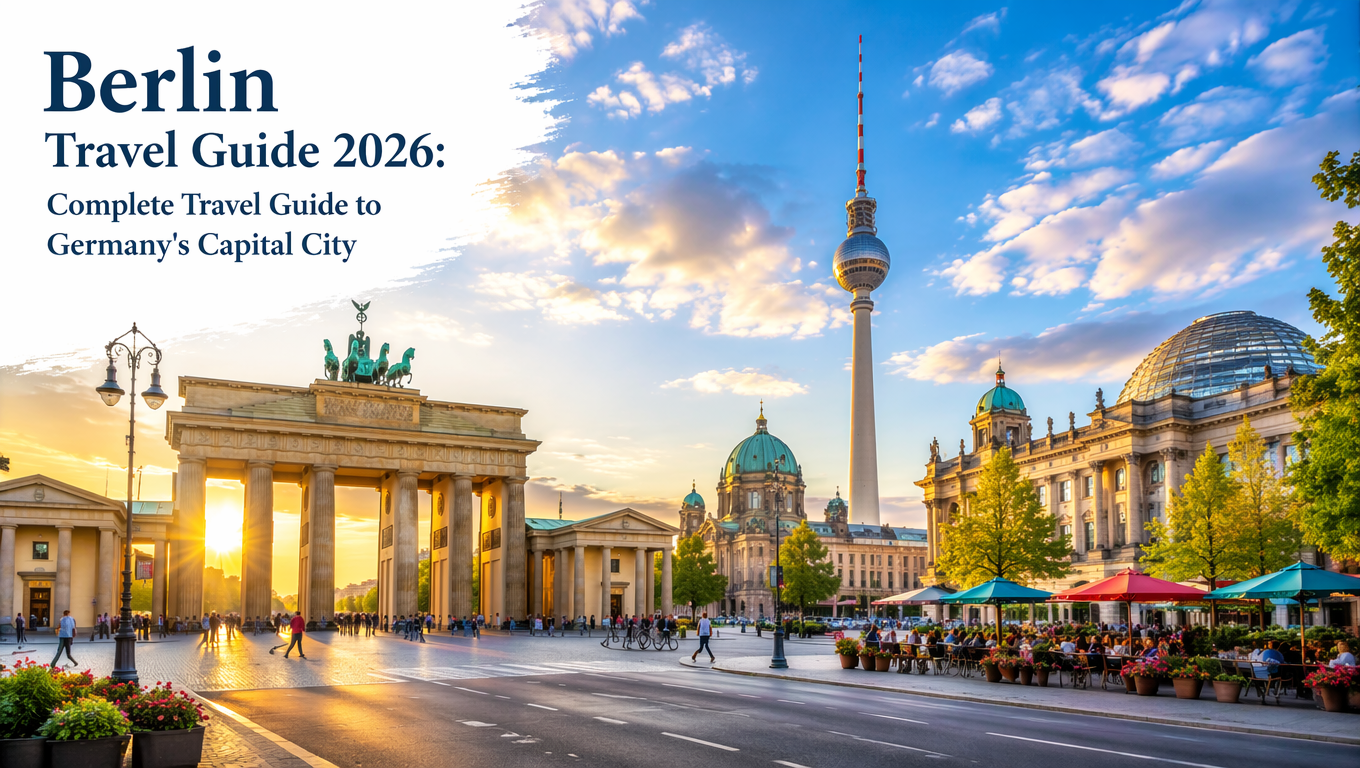
Berlin is a city where history, culture, and modern life come together unforgettably. As the capital of Germany, Berlin attracts millions of visitors every year with its iconic landmarks, fascinating museums, vibrant neighborhoods, and world-famous nightlife. From the historic Brandenburg Gate and the remains of the Berlin Wall to trendy cafés, art galleries, and beautiful parks, the city offers something for every type of traveler.
Whether you’re interested in exploring Germany’s rich past, experiencing its diverse culture, or simply enjoying one of Europe’s most dynamic urban destinations, Berlin delivers an experience unlike any other. This Berlin Travel Guide covers everything you need to know before your trip, including the best attractions, transportation options, local food, travel costs, safety tips, and hidden gems that make Berlin one of the most exciting cities in the world. Get ready to discover why Berlin continues to rank among Europe’s top travel destinations in 2026.
Berlin Travel Guide 2026
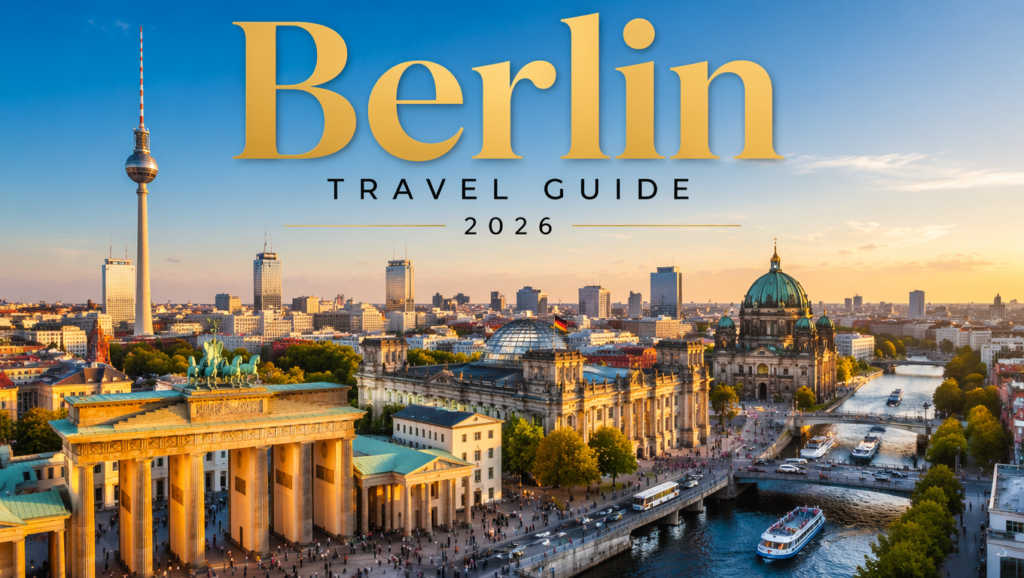
Berlin is one of Europe’s most fascinating cities. As the capital of Germany, Berlin combines rich history, world-famous landmarks, modern culture, vibrant nightlife, and impressive architecture. Every year, millions of travelers visit the city to explore its historical sites, museums, shopping districts, parks, and unique neighborhoods.
Whether you are planning your first trip or returning to discover more, this Berlin Travel Guide will help you understand everything you need to know before visiting Germany’s dynamic capital.
Quick Facts About Berlin
| Information | Details |
| Country | Germany |
| Population | Over 3.8 Million |
| Currency | Euro (€) |
| Language | German |
| Time Zone | Central European Time (CET) |
| Airport | Berlin Brandenburg Airport |
| Best Time to Visit | May to September |
| Famous For | History, Museums, Nightlife, Culture |
Why Visit Berlin?
Berlin offers a unique combination of historical significance and modern innovation. The city witnessed major events that shaped world history, including World War II and the Cold War.
Today, Berlin is known for its creativity, cultural diversity, street art, music scene, and welcoming atmosphere. Travelers can explore ancient monuments in the morning, enjoy local food in the afternoon, and experience world-famous nightlife after sunset.
Best Time to Visit Berlin
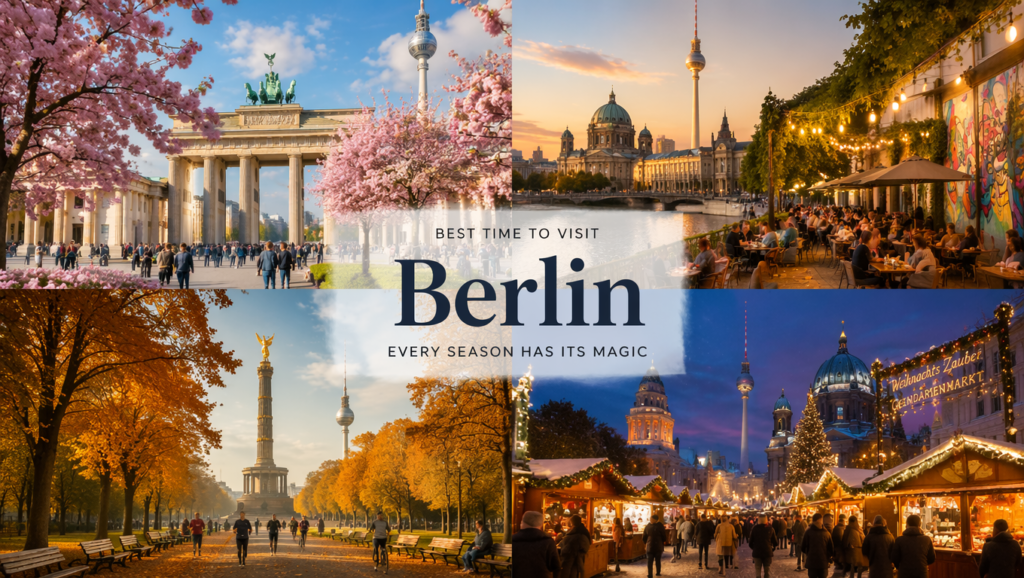
Spring (March to May)
Spring transforms Berlin into a colorful destination. Parks and gardens bloom with flowers, temperatures become pleasant, and outdoor activities increase throughout the city.
Summer (June to August)
Summer is considered the peak tourist season. Long daylight hours, outdoor festivals, open-air cafes, and cultural events attract visitors from around the world.
Autumn (September to November)
Autumn provides cooler weather and fewer crowds. The city’s parks display beautiful autumn colors, making sightseeing enjoyable.
Winter (December to February)
Winter brings Christmas markets, festive decorations, and a magical atmosphere. Visitors can enjoy holiday shopping and traditional German celebrations.
Top Attractions in Berlin
Brandenburg Gate
The Brandenburg Gate is Berlin’s most famous landmark. Built in the 18th century, it symbolizes German unity and freedom. The monument stands as one of the most photographed attractions in Europe.
Berlin Wall Memorial
The Berlin Wall Memorial preserves an important part of German history. Visitors can learn about the division of East and West Berlin and the events that led to reunification.
Reichstag Building
The Reichstag Building houses Germany’s parliament. Its modern glass dome offers spectacular panoramic views of the city skyline.
Museum Island
Museum Island contains several world-class museums featuring ancient artifacts, historical collections, and artistic masterpieces.
Checkpoint Charlie
Checkpoint Charlie was one of the most famous crossing points between East and West Berlin during the Cold War.
Berlin Cathedral
Berlin Cathedral is known for its magnificent architecture, beautiful interiors, and impressive dome overlooking the city center.
Alexanderplatz
Alexanderplatz serves as one of Berlin’s busiest public squares and shopping districts. It is also home to the iconic TV Tower.
Berlin’s Rich History
Berlin has experienced centuries of political, cultural, and economic transformation. It became the capital of the German Empire in 1871 and later played a major role in both World Wars.
Following World War II, Berlin was divided into East and West sectors. The construction of the Berlin Wall in 1961 physically separated families and communities for nearly three decades. The wall eventually fell in 1989, marking a historic turning point and leading to German reunification.
Today, many museums and memorials throughout Berlin preserve this remarkable history for future generations.
Best Neighborhoods in Berlin
Mitte
Mitte is Berlin’s historic center. Visitors can find major landmarks, museums, restaurants, and shopping areas within walking distance.
Kreuzberg
Kreuzberg is famous for street art, multicultural culture, trendy cafes, and vibrant nightlife.
Charlottenburg
Charlottenburg offers elegant streets, luxury shopping, and historical architecture.
Prenzlauer Berg
This neighborhood is known for charming cafes, family-friendly parks, and beautiful residential streets.
Friedrichshain
Friedrichshain attracts young travelers with music venues, nightlife, and creative cultural spaces.
Food You Must Try in Berlin
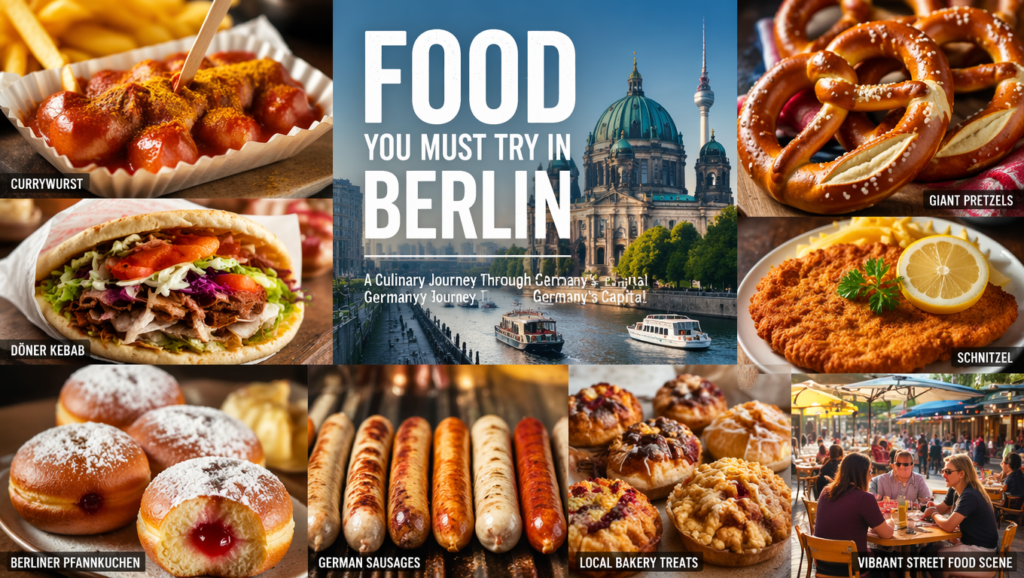
Berlin offers a diverse culinary experience influenced by German traditions and international cultures.
Currywurst
Currywurst is Berlin’s most famous street food. It consists of sausage served with curry-flavored ketchup and spices.
Döner Kebab
Berlin is often considered the European capital of Döner Kebab. The dish has become one of the city’s most popular fast-food options.
Pretzels
Fresh German pretzels are available in bakeries throughout the city.
Schnitzel
Traditional German schnitzel remains a favorite among visitors seeking authentic local cuisine.
Berliner Pfannkuchen
This sweet pastry is a classic German dessert enjoyed by locals and tourists alike.
Shopping in Berlin
Berlin provides excellent shopping opportunities for every budget.
Kurfürstendamm
Kurfürstendamm is Berlin’s most famous shopping boulevard featuring international brands and luxury stores.
Alexanderplatz Shopping Area
Visitors can explore large shopping centers, fashion stores, and souvenir shops.
Flea Markets
Berlin’s flea markets offer antiques, vintage items, collectibles, and unique local products.
Transportation in Berlin
Berlin’s public transportation system is among the best in Europe.
U-Bahn
The U-Bahn subway network connects most major attractions and neighborhoods.
S-Bahn
The S-Bahn rail network covers greater Berlin and surrounding regions.
Buses and Trams
Buses and trams provide convenient transportation throughout the city.
Cycling
Berlin is highly bicycle-friendly with extensive cycling paths and rental options.
Berlin Nightlife
Berlin is internationally recognized for its nightlife scene. The city offers:
- Music clubs
- Rooftop bars
- Live concerts
- Cultural performances
- Electronic music venues
- Night festivals
Travelers from around the world visit Berlin specifically to experience its unique nightlife culture.
Day Trips from Berlin
Potsdam
Potsdam features stunning palaces, gardens, and historical sites.
Sanssouci Palace
This magnificent royal residence is one of Germany’s most beautiful architectural landmarks.
Spreewald
Spreewald is known for its waterways, natural beauty, and outdoor activities.
Travel Costs in Berlin
| Expense | Budget Range |
| Hostel | €20–€50 |
| Mid-Range Hotel | €80–€180 |
| Luxury Hotel | €200–€500+ |
| Local Meal | €8–€20 |
| Public Transport Day Pass | €9–€15 |
| Museum Entry | €10–€25 |
Essential Travel Tips
- Purchase a public transportation pass for savings.
- Carry some cash, as smaller businesses may not accept cards.
- Learn basic German phrases.
- Book accommodations early during summer.
- Respect historical memorial sites.
- Use reusable water bottles as Berlin has safe drinking water.
- Explore neighborhoods beyond major tourist attractions.
Is Berlin Safe for Tourists?
Berlin is generally considered a safe destination for travelers. Like any major city, visitors should remain aware of their surroundings, protect personal belongings, and avoid isolated areas late at night.
The city’s public transportation system, tourist districts, and major attractions are typically safe and well-maintained.
Conclusion
Berlin remains one of Europe’s most exciting travel destinations in 2026. The city successfully blends history, culture, innovation, and entertainment into a unique experience that appeals to every type of traveler. From the iconic Brandenburg Gate and Museum Island to vibrant neighborhoods and world-famous nightlife, Berlin offers unforgettable memories at every turn.
Whether you are interested in history, architecture, food, art, shopping, or modern urban culture, Berlin delivers an experience that continues to attract millions of visitors from across the globe every year.
FAQs
How many days are enough for Berlin?
A stay of 3 to 5 days is ideal for exploring Berlin’s major attractions, museums, neighborhoods, and cultural landmarks.
What is Berlin most famous for?
Berlin is famous for the Brandenburg Gate, Berlin Wall, rich history, museums, nightlife, and cultural diversity.
Is Berlin expensive for tourists?
Berlin is generally more affordable than many other major European capitals, offering options for both budget and luxury travelers.
What language is spoken in Berlin?
German is the official language, although English is widely spoken in tourist areas.
When is the best time to visit Berlin?
The best time to visit Berlin is between May and September, when the weather is warm and outdoor activities are at their peak.
Best National Parks in America: Complete Guide to America’s Most Beautiful Natural Wonders
